HIMSS TV is your Insider’s Guide to everything HIMSS. We are the world’s first online broadcasting network, focused on global innovation and how information and technology are driving change in healthcare.
Gyant CEO Pascal Zuta describes his company's AI platform and where it can improve workflows.
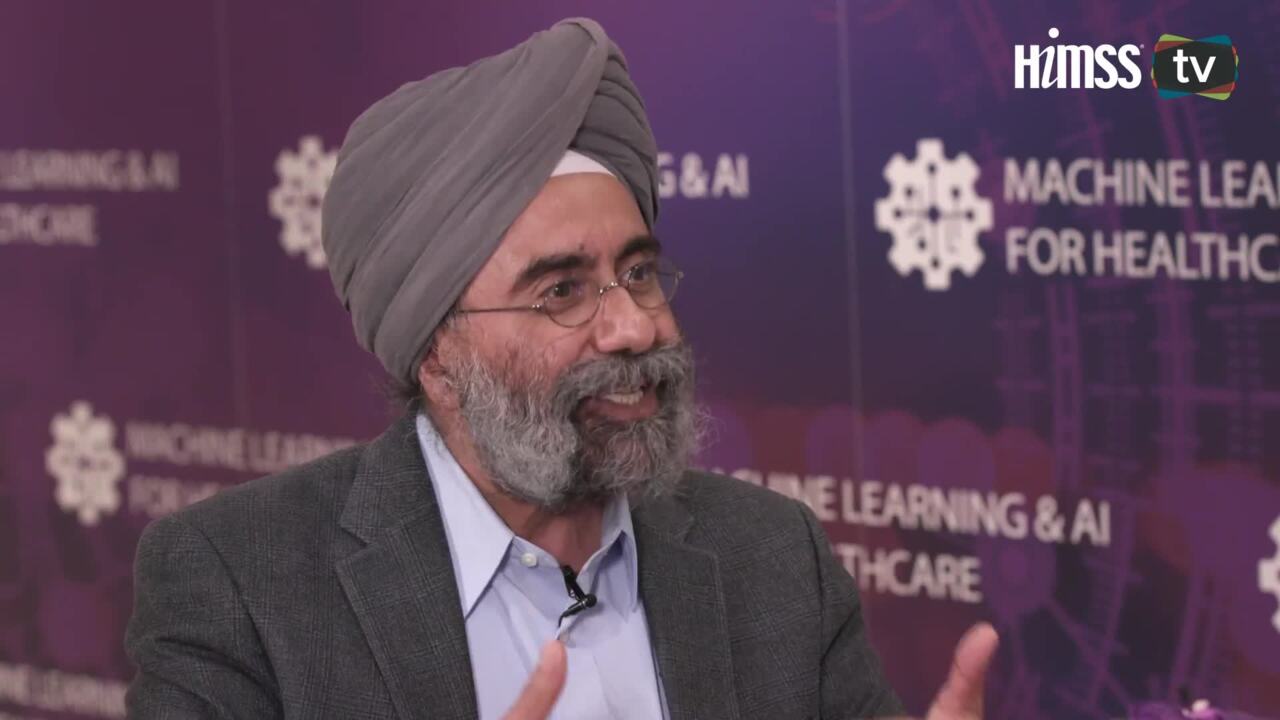
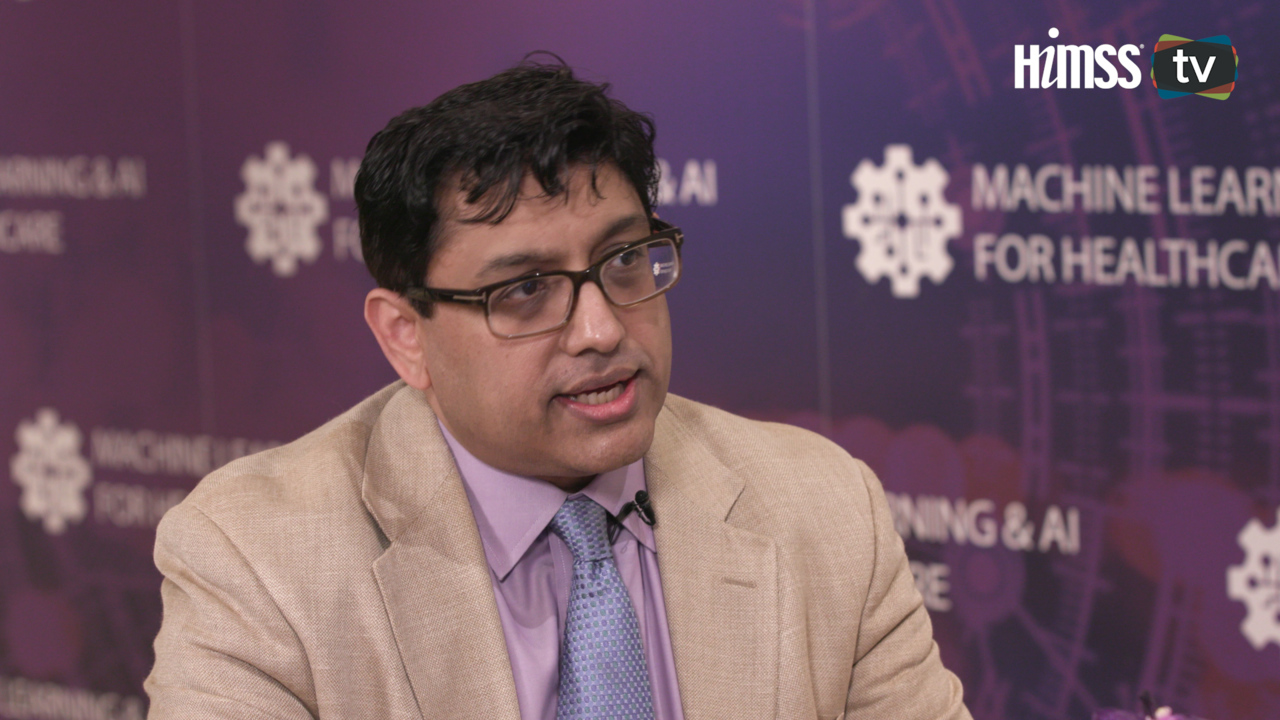
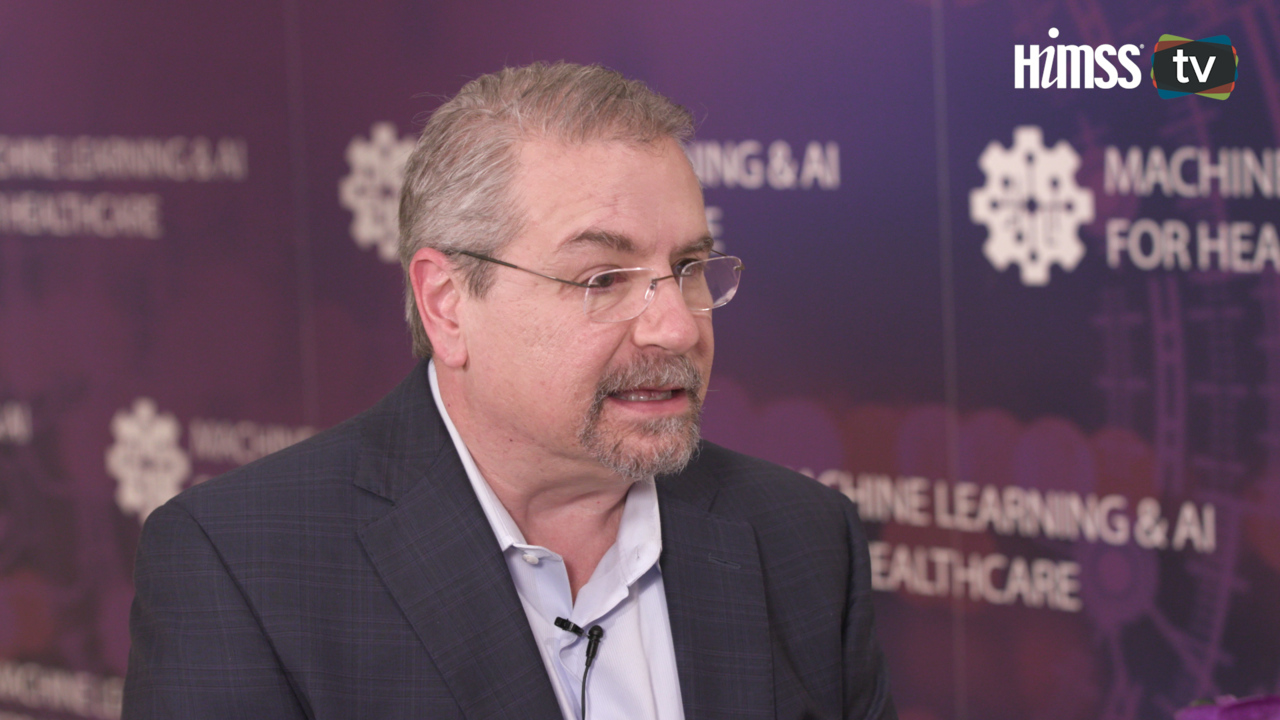
Cris Ross, CIO at the Mayo Clinic, describes his organization’s new 10-year partnership with Google Cloud that aims to look for the next breakthroughs that diagnose and treat complex and serious illness or conditions more effectively.
Mark Sendak, population health and data science lead at Duke Health, explains the AI and machine learning applications his team is exploring, and how they're making them work safely for patients.
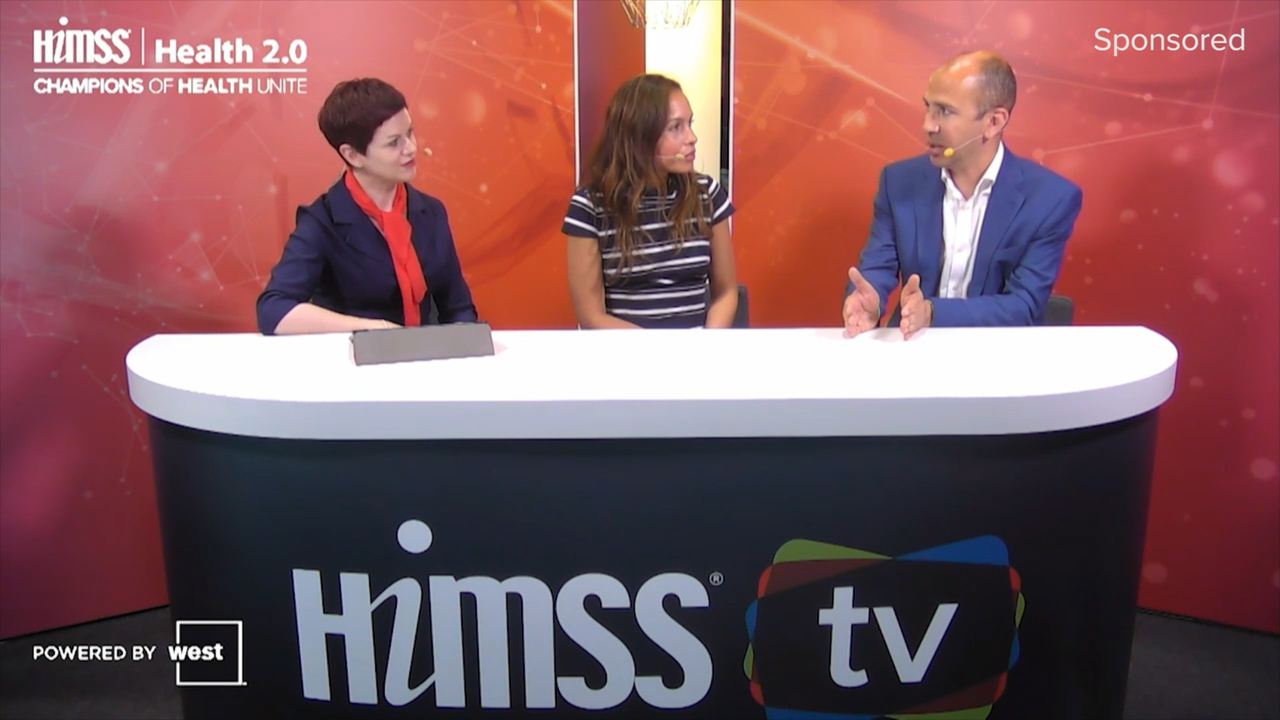
(Sponsored) Dr. Jesse Ehrenfeld, board of trustees chair for the American Medical Association, says promising AI tools can enable physicians to perform more effectively across the work that they do.
Dr. Mohd Hanif Abdul Gaus, director of health technology at LogixLab, speaking recently at HIMSS AsiaPac19, describes how his AI-powered diagnostic tool is helping innovate approaches to medical imaging.
Peter Faulkner, CEO of Bendigo Health -- a large regional health service in Victoria, Australia -- talks about increased demand changing the business of hospital management, and how tech advances around supply chain and machine learning can help.
Holly Rimmasch at Health Catalyst says many health systems are living with feet in both worlds, but diverse incentives will eventually force a reckoning. She also discusses how data can help hospitals allocate thin resources like care managers.
Accredited Health CTO Mark Plaskow discusses how machine learning can improve outcomes and reduce unnecessary spending.
"We need to redefine what is a doctor," says Dr. Steven Charlap, CEO of GeneYes, a digital health startup aimed at giving physicians greater insights by improving data management capabilities.
Charles Atkinson, founder of The Whole Brain Foundation and a West Nile virus survivor, has drawn up a multi-dimensional whole brain model that aims to ultimately help "augment humanity's capacity to deal with illness."
The entry of large companies into the ecosystem will have an amazing effect on data sharing and ultimately how patient-centric care is delivered, says Mark Kramer, chief engineer for MITRE's Health Technology Center (HTC).
Journalist James Vlahos, contributor to Wired and other magazines, describes Dadbot – an invention that turned an oral history recorded with his terminally ill father into a conversational chatbot that offers a sort of “digital afterlife.”