HIMSS TV is your Insider’s Guide to everything HIMSS. We are the world’s first online broadcasting network, focused on global innovation and how information and technology are driving change in healthcare.
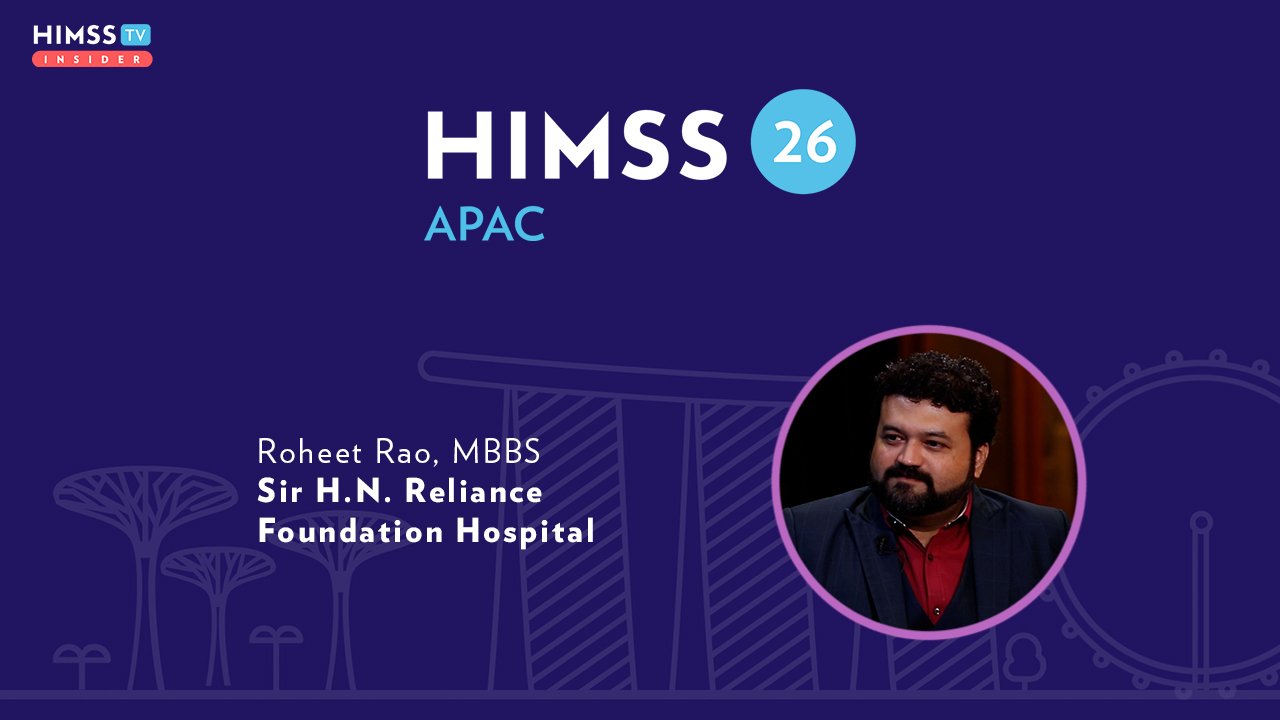
Getting assessed for its IT infrastructure maturity has allowed Sir HN Reliance Foundation Hospital in India to scale AI, says CIO Dr Roheet Rao.
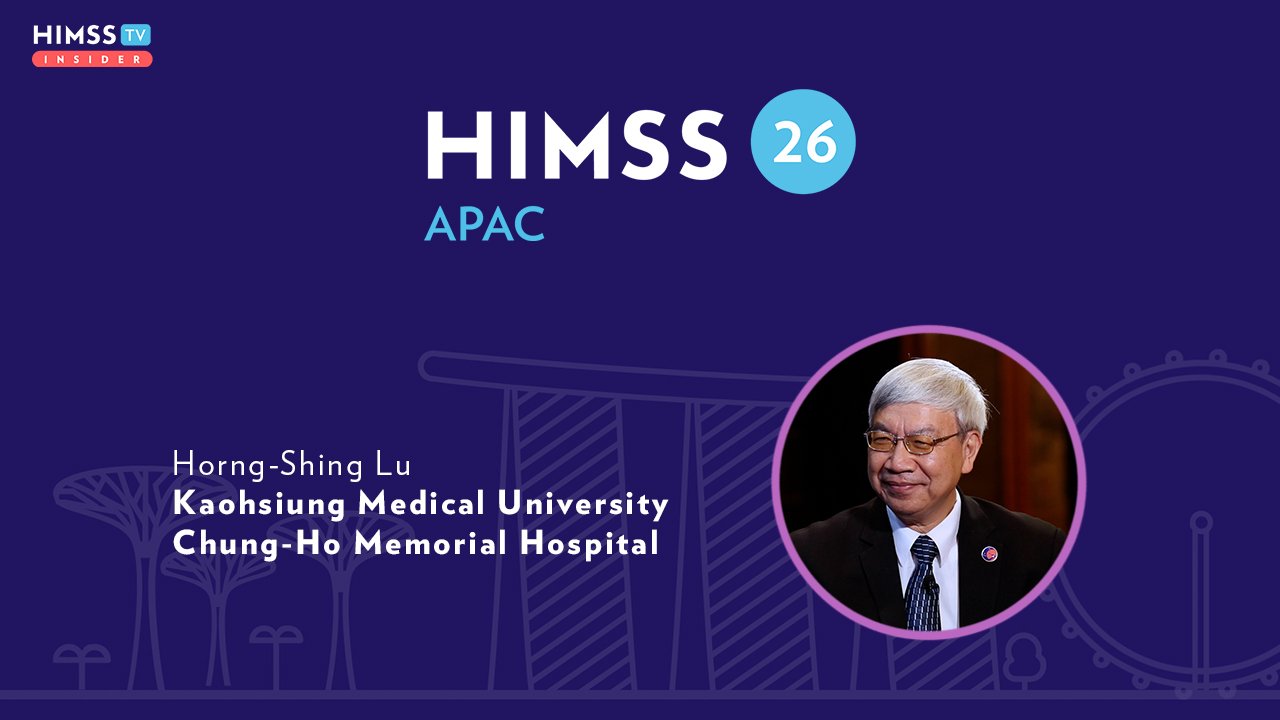
Kaohsiung Medical University Chung-Ho Memorial Hospital has integrated medical university education, clinical practice, and IT from the start, says Deputy Superintendent and Professor Horng-Shing Lu.
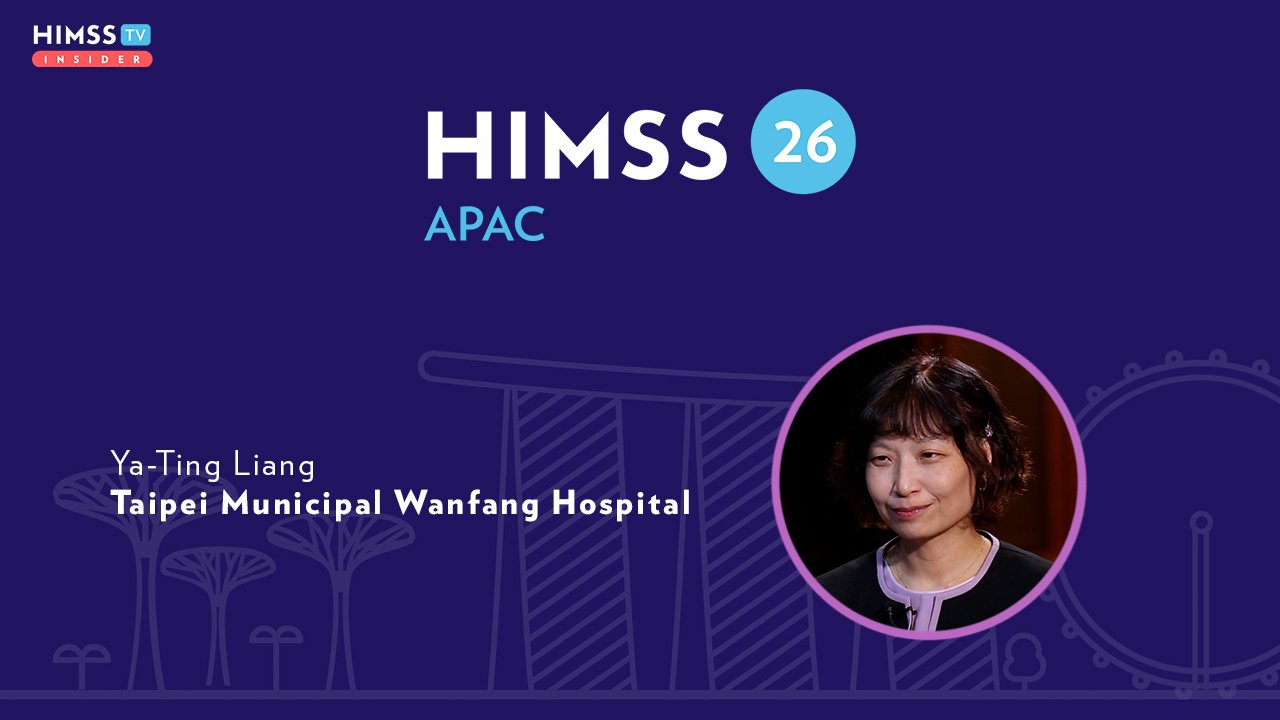
Improving patient experience is simply Taipei Municipal Wanfang Hospital's goal, says deputy superintendent for admin, Ya-Ting Liang.
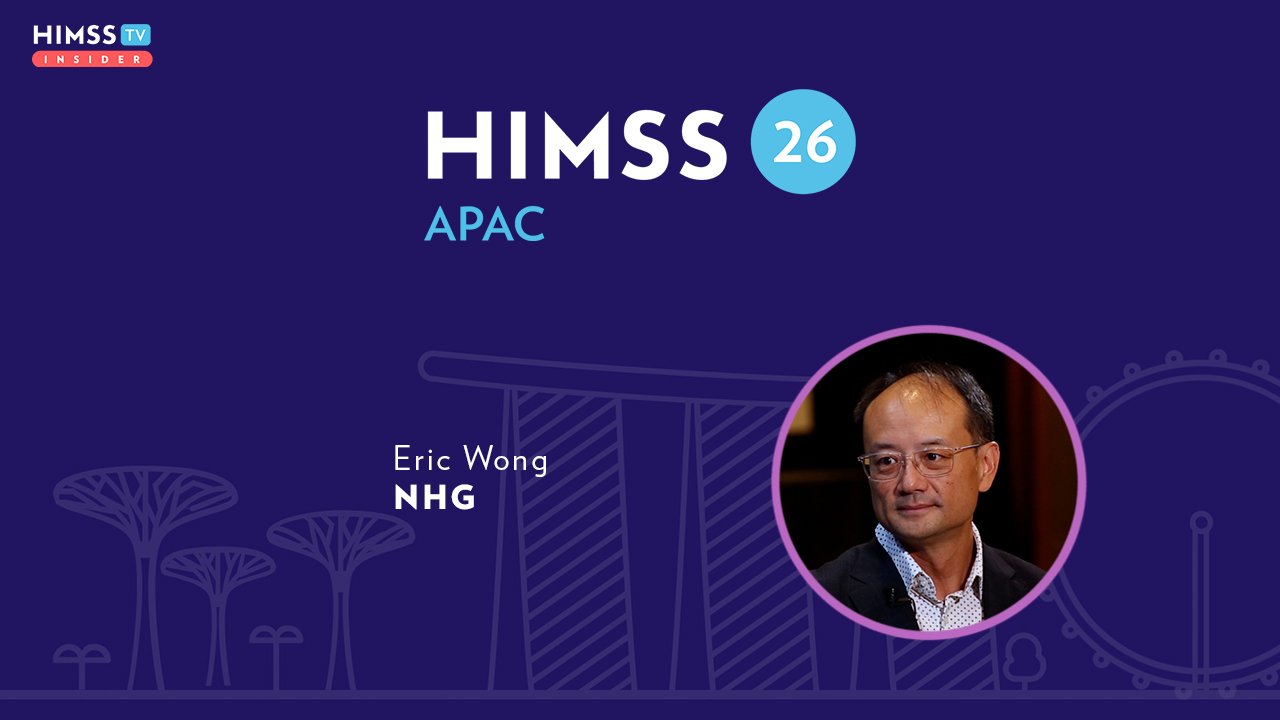
According to Eric Wong, group chief digital health officer at NHG Health, the human factor is often neglected in the AI journey.
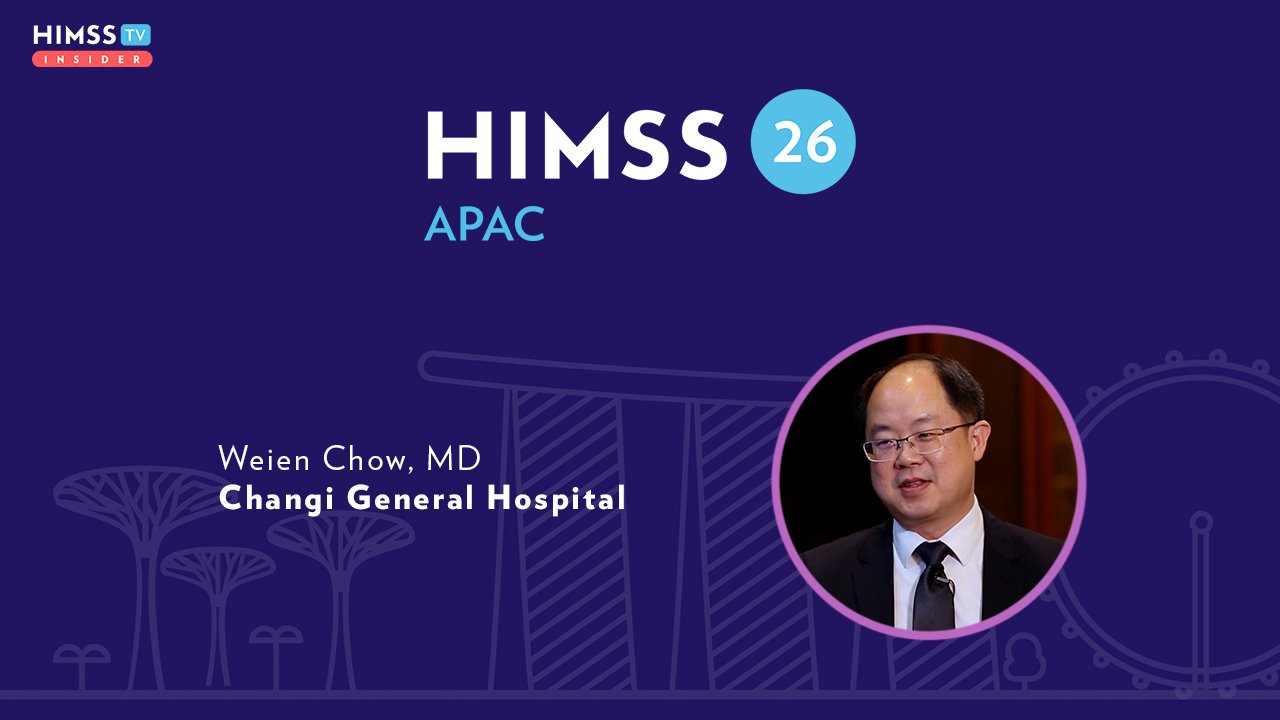
Changi General Hospital is not just putting digital first but also people first in the AI era, according to Chief Data and Digital Officer Dr Weien Chow.
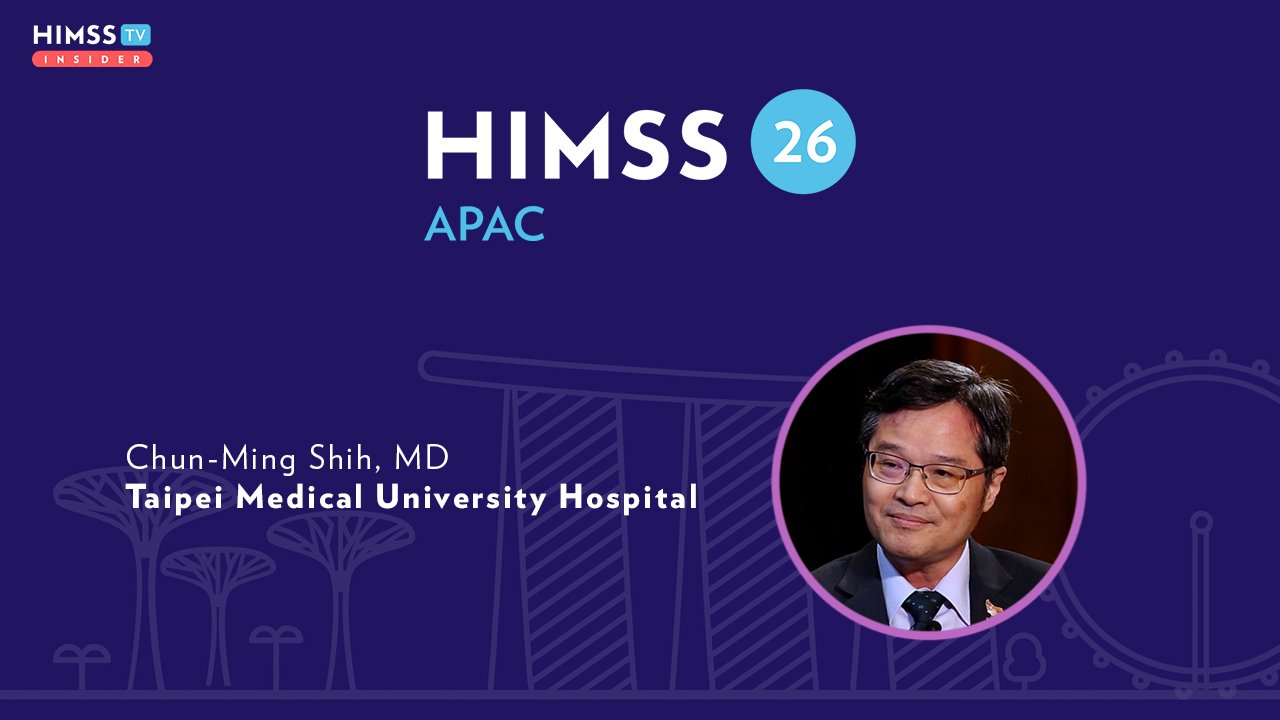
Taipei Medical University Hospital Superintendent Dr Chun-Ming Shih shares their staff AI training strategy.
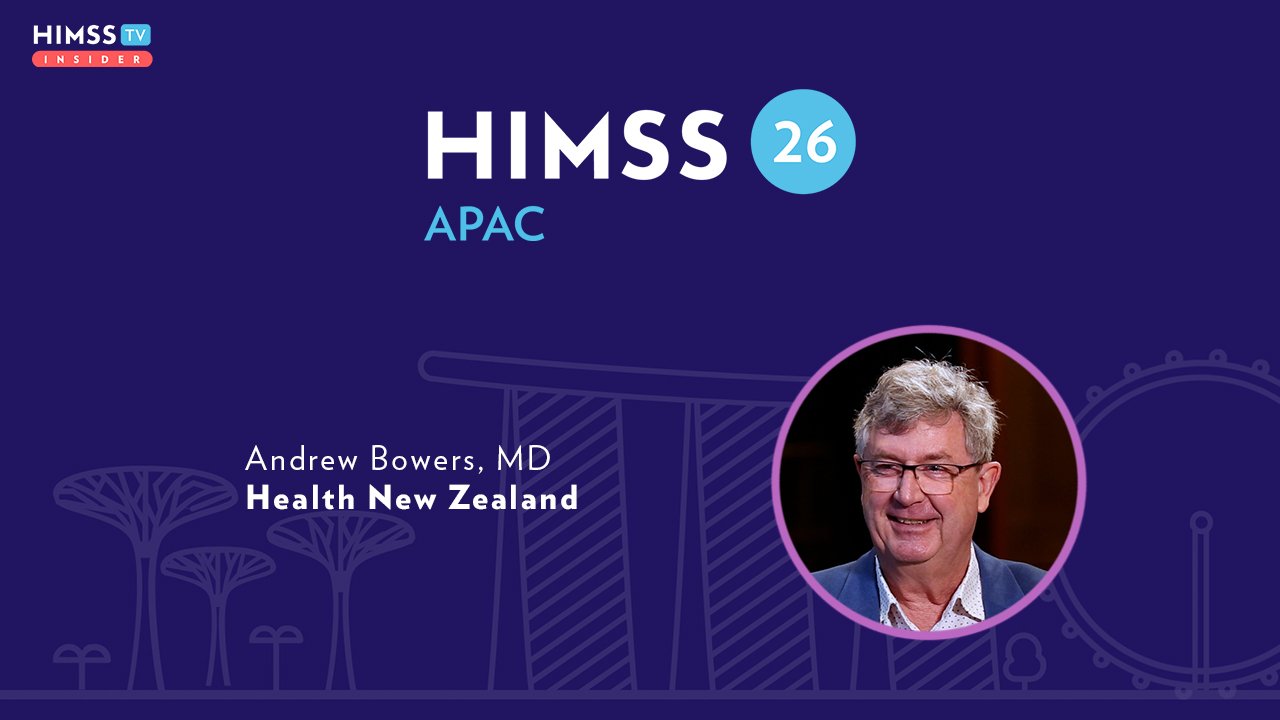
Standalone AI tools add friction unless they are integrated into electronic records and designed around clinical work, says Health New Zealand clinical IT director Dr Andrew Bowers.
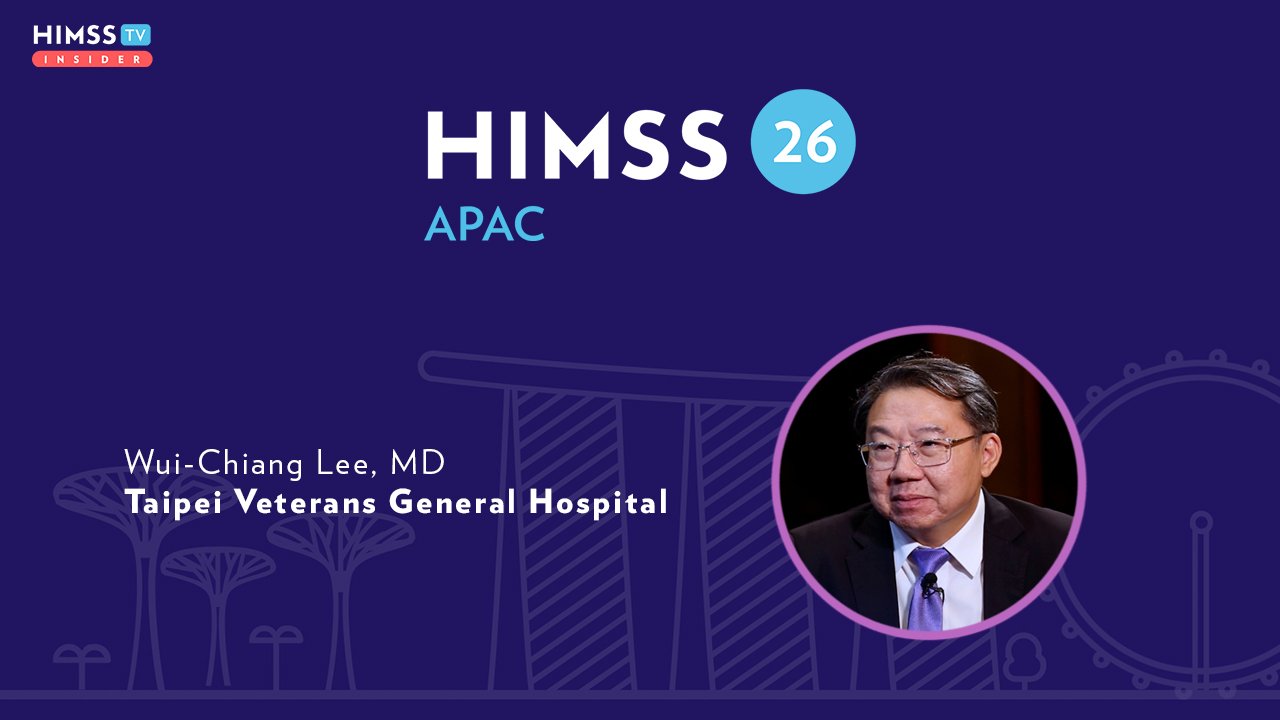
The Taiwanese hospital is developing AI that can coordinate clinical processes and recommend next actions for doctors to approve, shares Deputy Superintendent Dr Wui-Chiang Lee.
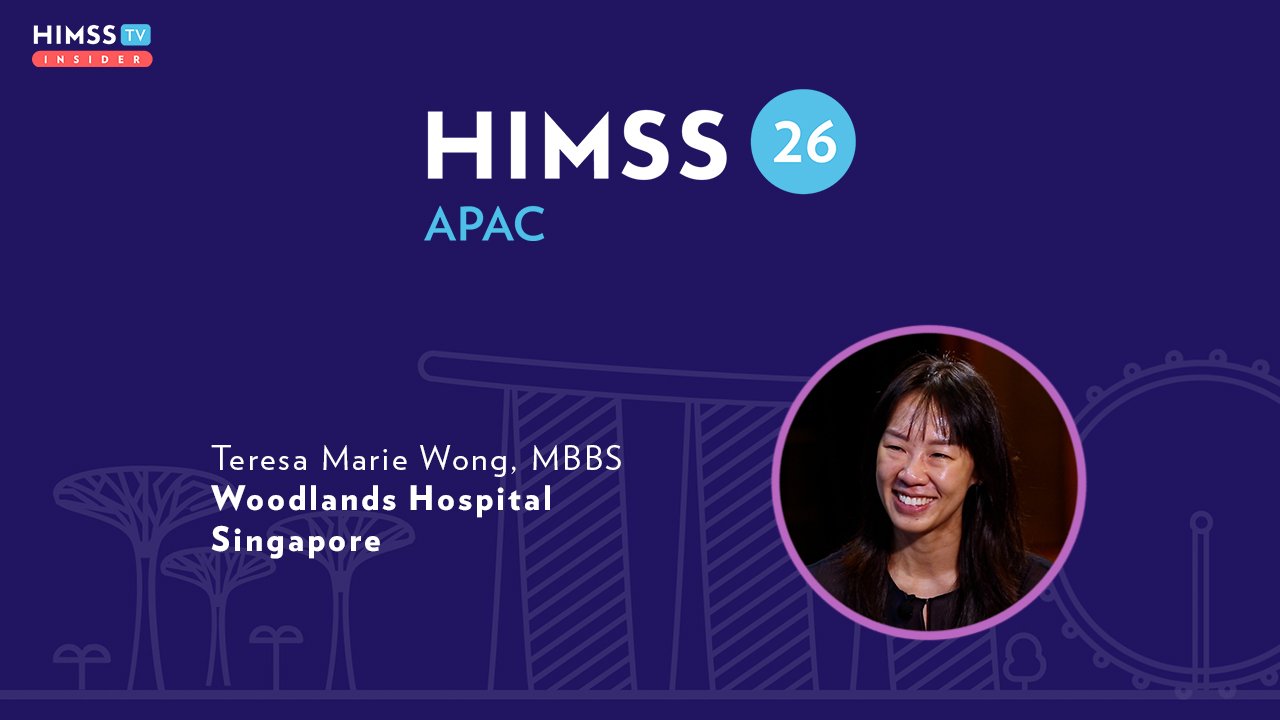
Dr Teresa Wong, deputy CMIO of Woodlands Hospital, explains why AI integration must support existing workflows, keep clinicians in the loop, and embed clear audit and accountability structures.
Randy Maestre, head of Industry Marketing at Zoom, outlines how the company is broadening its focus beyond virtual visits to clinical documentation, patient experience, and healthcare operations.

Hongxia Huang, VP of iMedway, explains how hospitals can eliminate duplicated work and control operational costs by consolidating AI onto a unified platform with task-matched models.
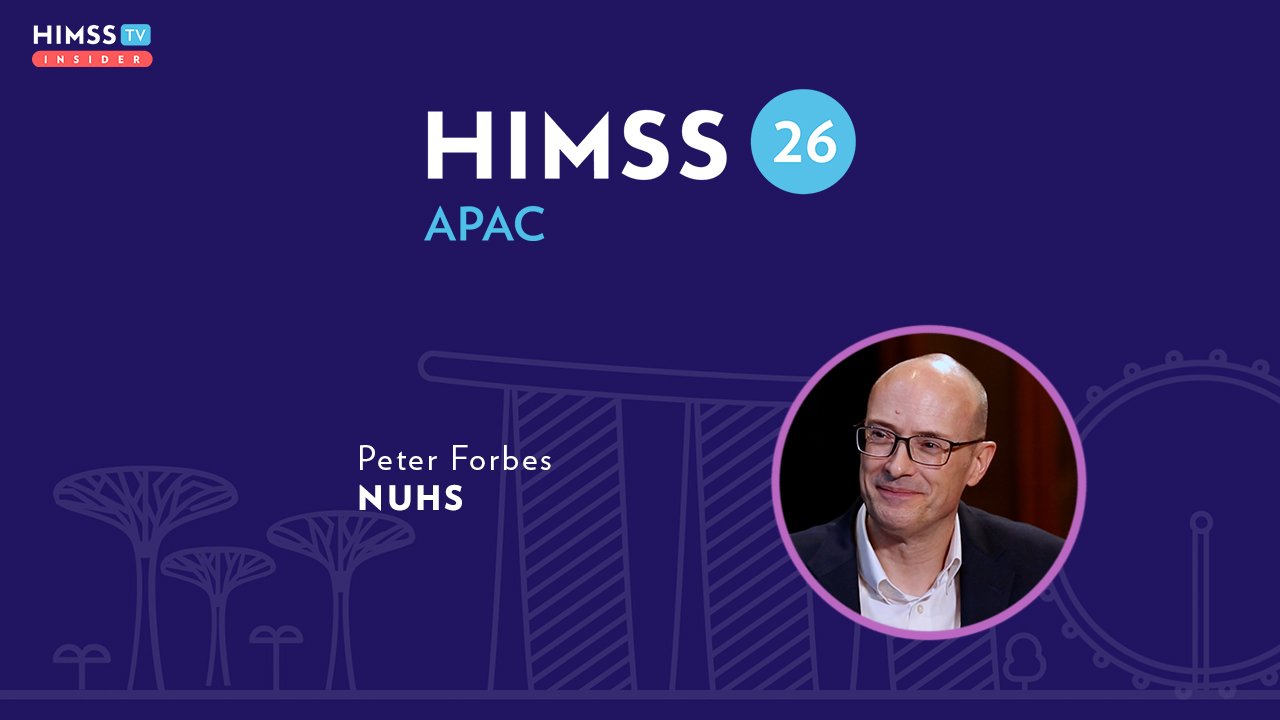
NUHS chief digital officer Peter Forbes says health systems also need clear problem statements, defined roles for AI and sponsors who can push projects into practice.