HIMSS TV is your Insider’s Guide to everything HIMSS. We are the world’s first online broadcasting network, focused on global innovation and how information and technology are driving change in healthcare.
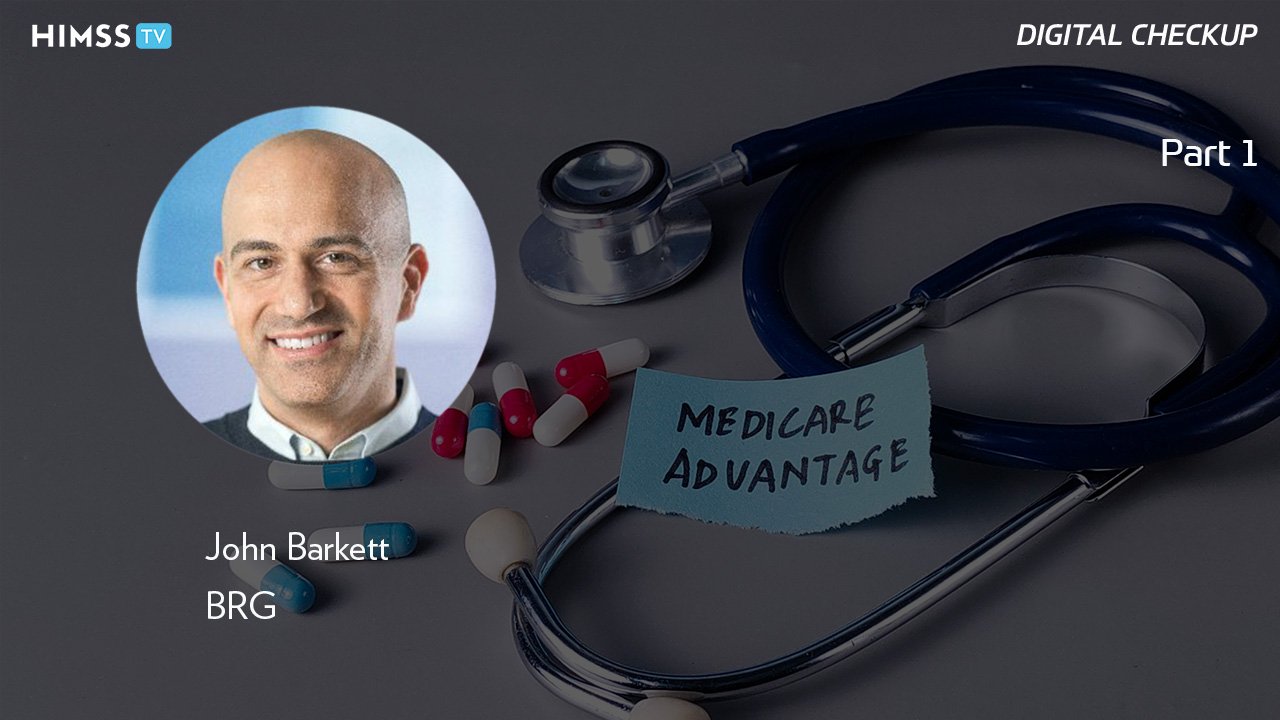
There's somewhat of a disconnect for consumers between a plan's star rating and how that plan differs from another, says John Barkett, managing director at BRG's Healthcare Transactions and Strategy practice.
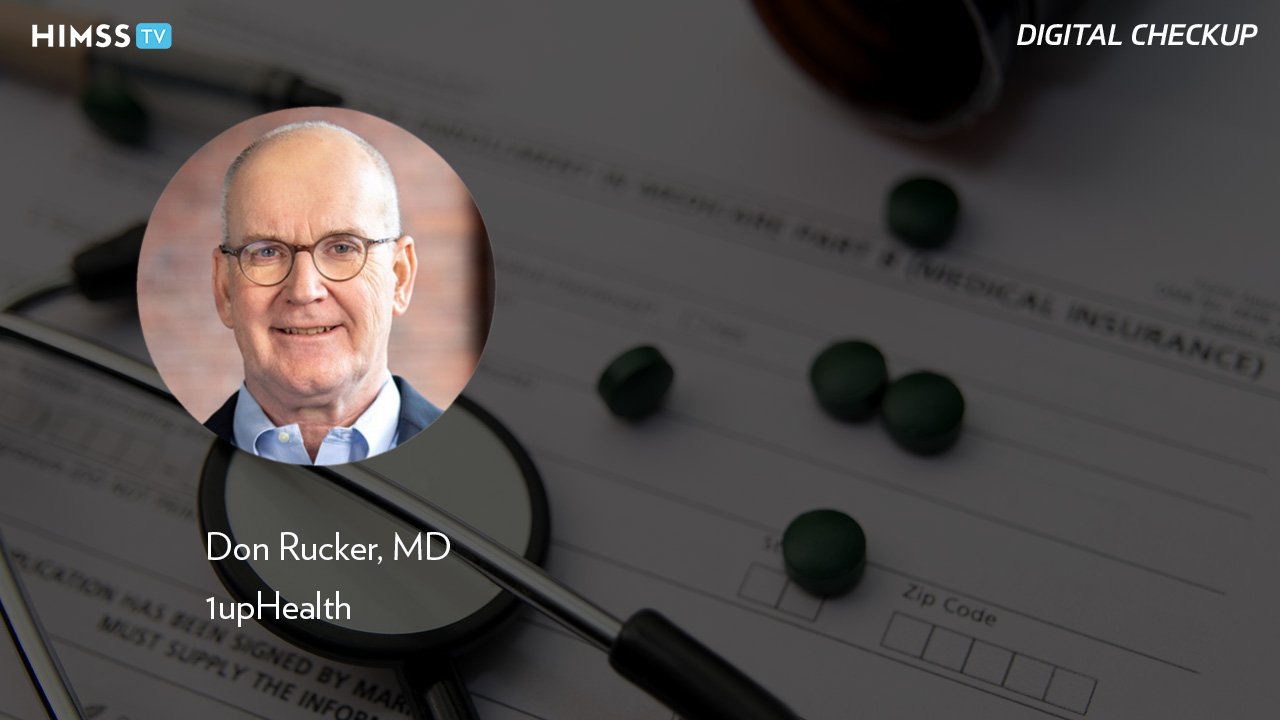
Clinical data could help health plans make more precise coverage decisions while reducing friction for patients and providers, says Dr. Donald Rucker, chief strategy officer at 1UpHealth.
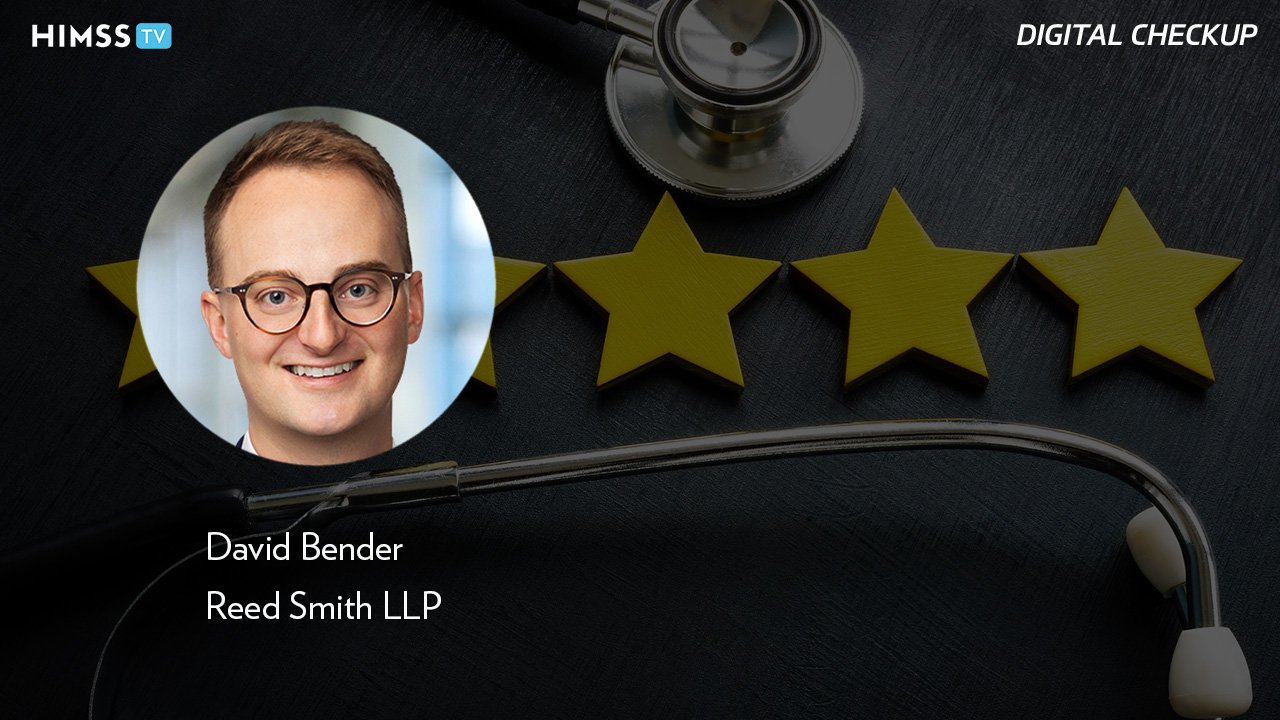
David Bender, counsel at Reed Smith's Healthcare Practice Group, discusses why MA star ratings could alter bonus payments and potentially spur plan exits.
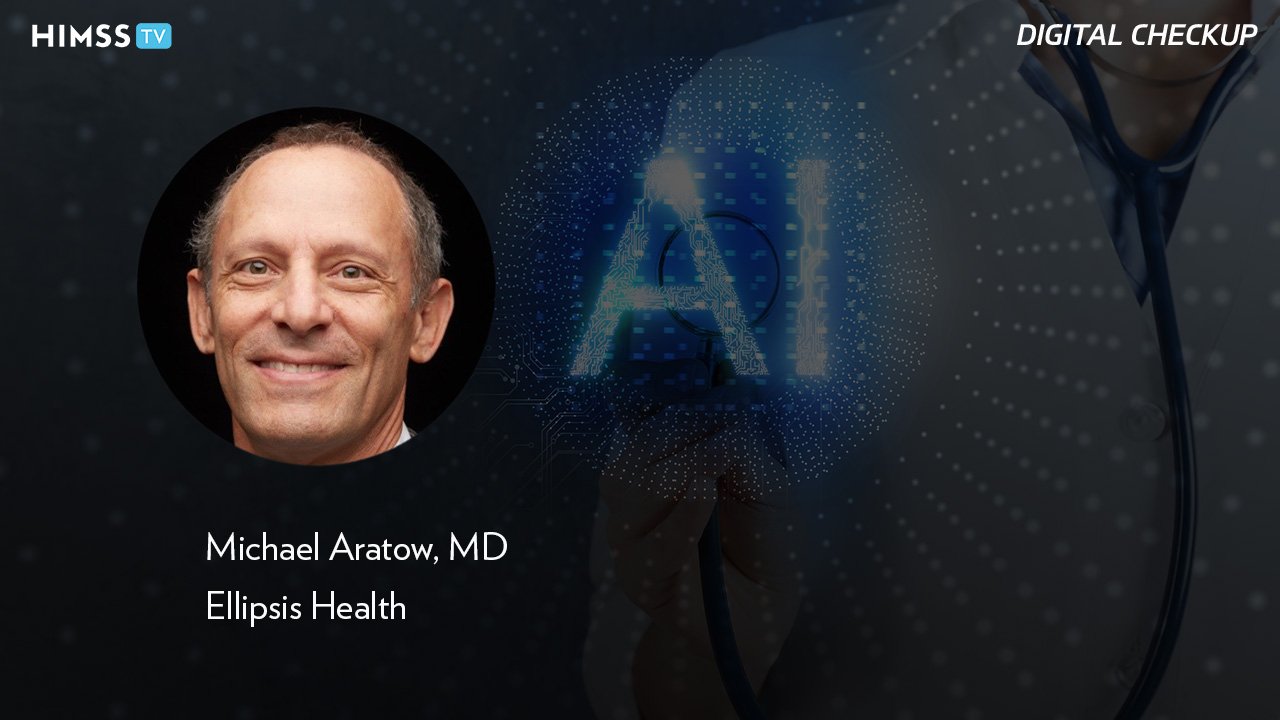
Healthcare organizations need a risk-based and patient-centered approach for benchmarking, says Ellipsis Health cofounder and Chief Medical Officer Dr. Michael Aratow, whose company has met with HHS and other agencies on AI safety standards.
There's a clear trend toward more accountability and transparency and a higher bar for outcomes in SNFs, says Chris Dawe, president of Curana Health.
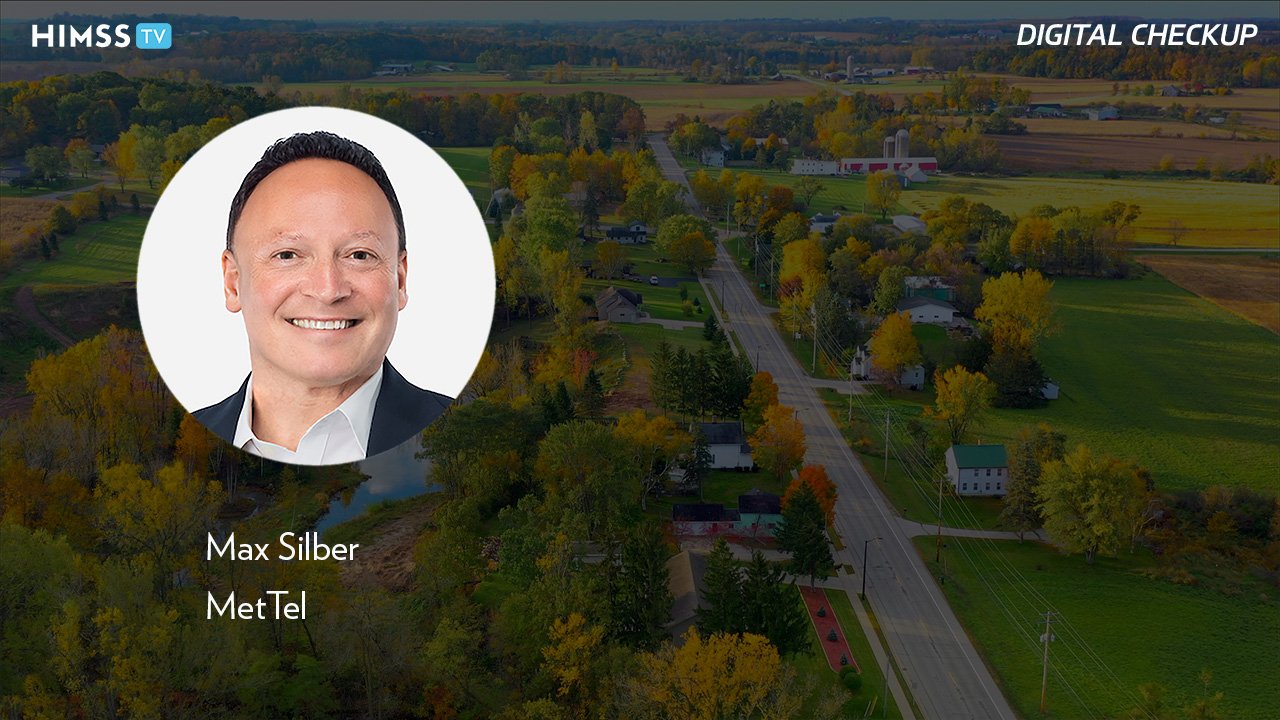
Max Silber, VP of mobility and IoT at MetTel, says recent Federal Communications Commission mandates to retire legacy copper voice service lines could pose unexpected safety risks to rural providers. Don't wait until the fax machine breaks, he warns.

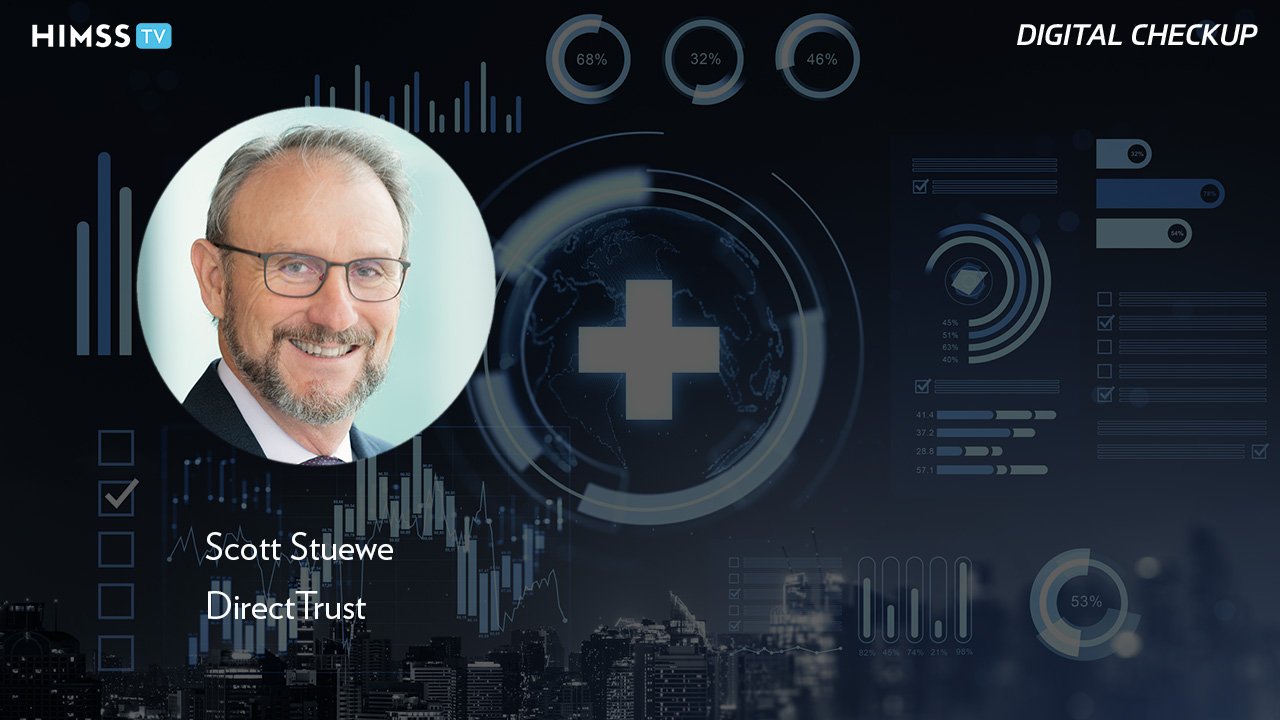
Business associates vetted for the CMS Medicare App Library must still consider their third-party risk requirements, says Scott Stuewe of DirectTrust. However, vetted FHIR-based data exchange apps are helping to improve the comfort of data holders.
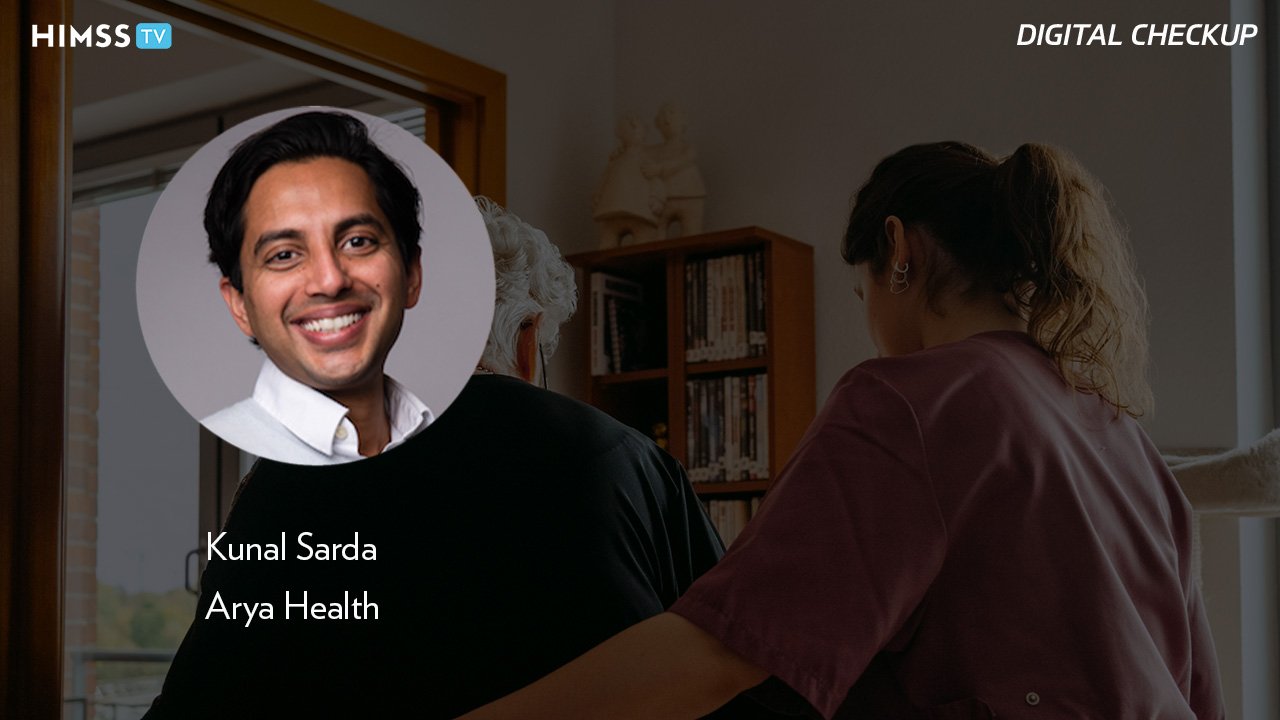
The underlying challenge is how to fund an industry that's very important but is also perpetually on the brink of bankruptcy, says Kunal Sarda, CEO of Arya Health.
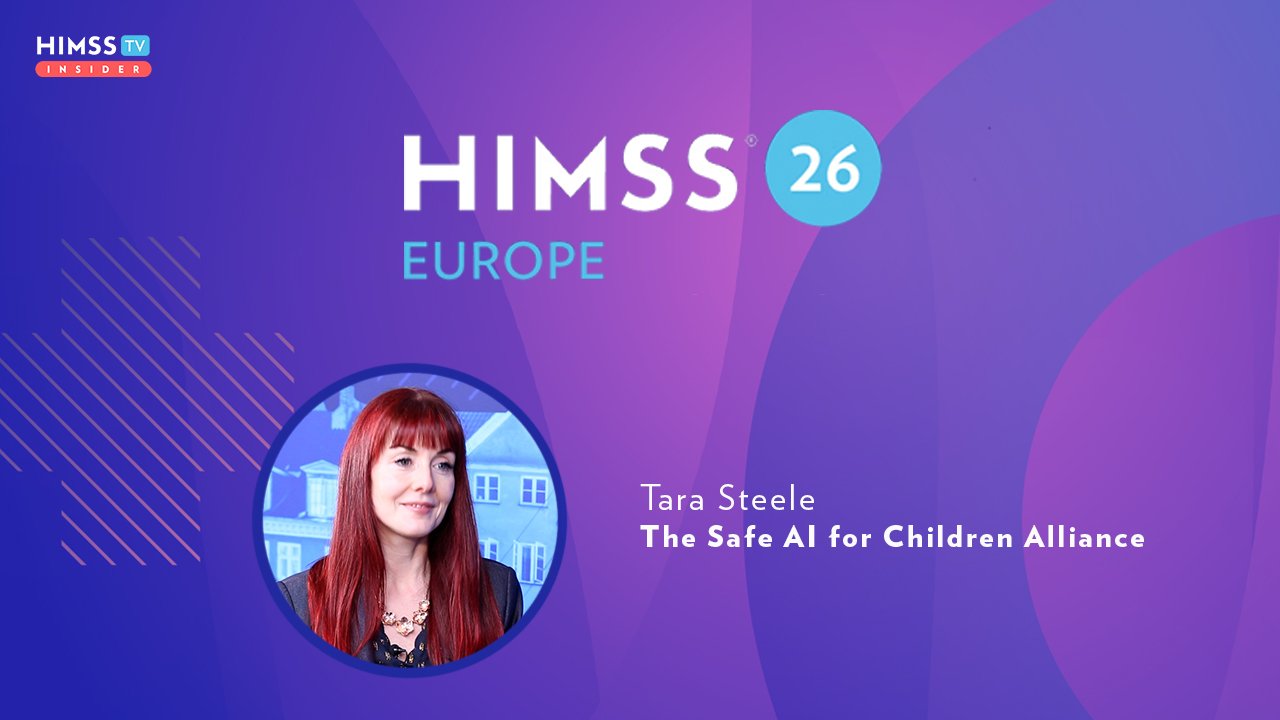
Tara Steele, executive director of the Safe AI for Children Alliance, says new AI apps must be proactively built to shield children from harm, rather than changed after children have been harmed or endangered.
Dr. Leeda Rashid, formerly of the FDA Digital Health Center of Excellence, recommends that the federal government develop enforceable governance frameworks with oversight and accountability that cover AI tools' full lifecycles.
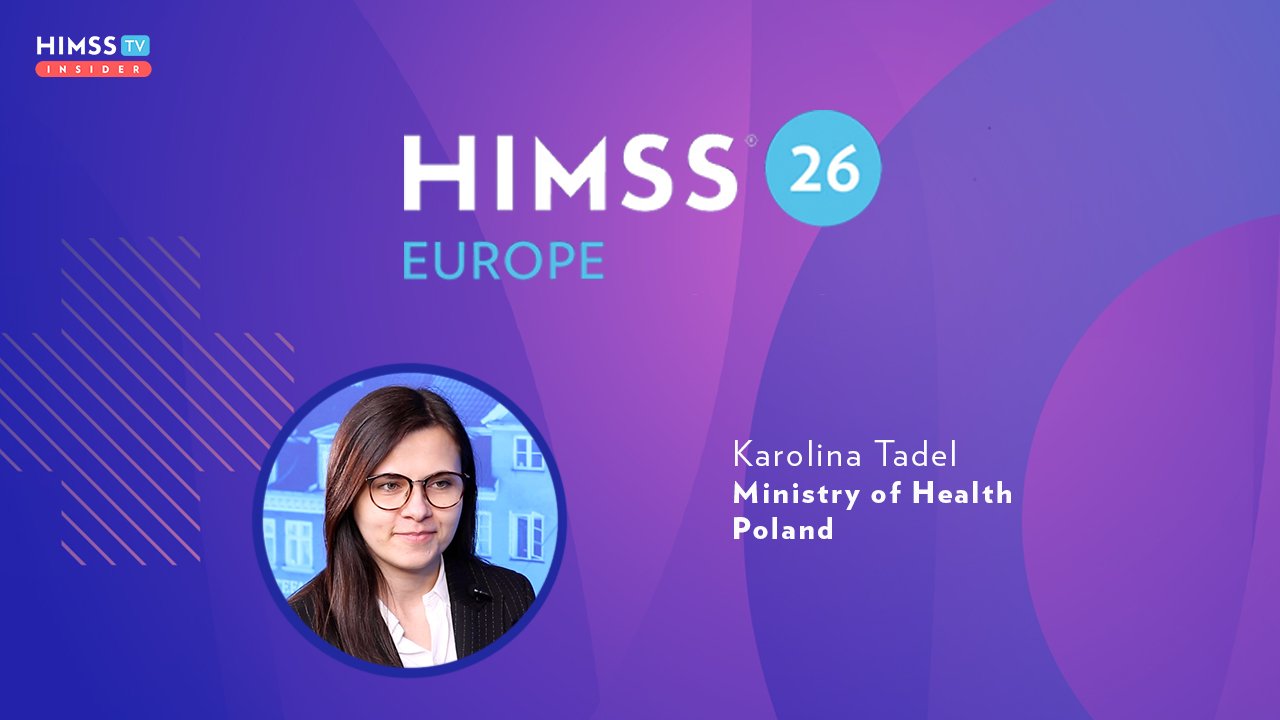
Karolina Tadel of Poland's Ministry of Health discusses the country's digital health advances, including establishing e-referrals, e-prescriptions, an e-registration platform for appointments and AI-assisted radiology imaging.
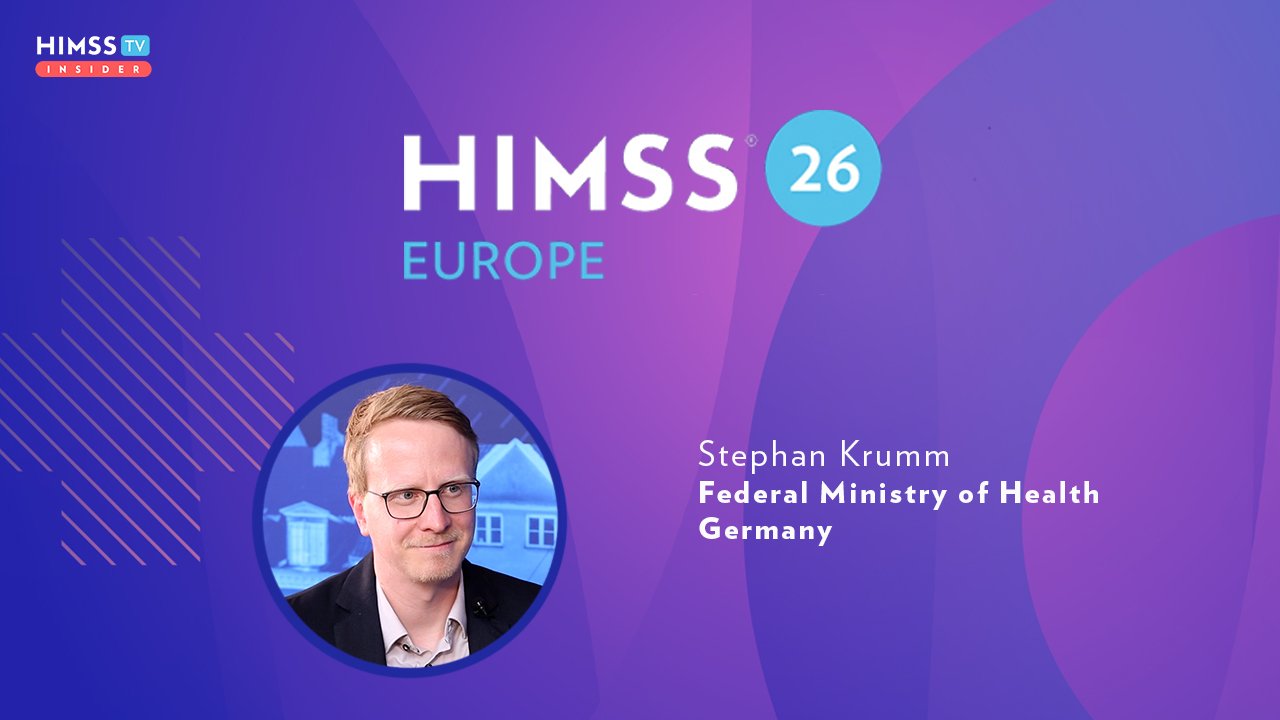
Stephan Krumm of Germany's Federal Ministry of Health discusses DigitalRadar, a customized, EMRAM-inspired model that the country uses to assess the digital maturity of its hospitals within a regional context.