HIMSS TV is your Insider’s Guide to everything HIMSS. We are the world’s first online broadcasting network, focused on global innovation and how information and technology are driving change in healthcare.
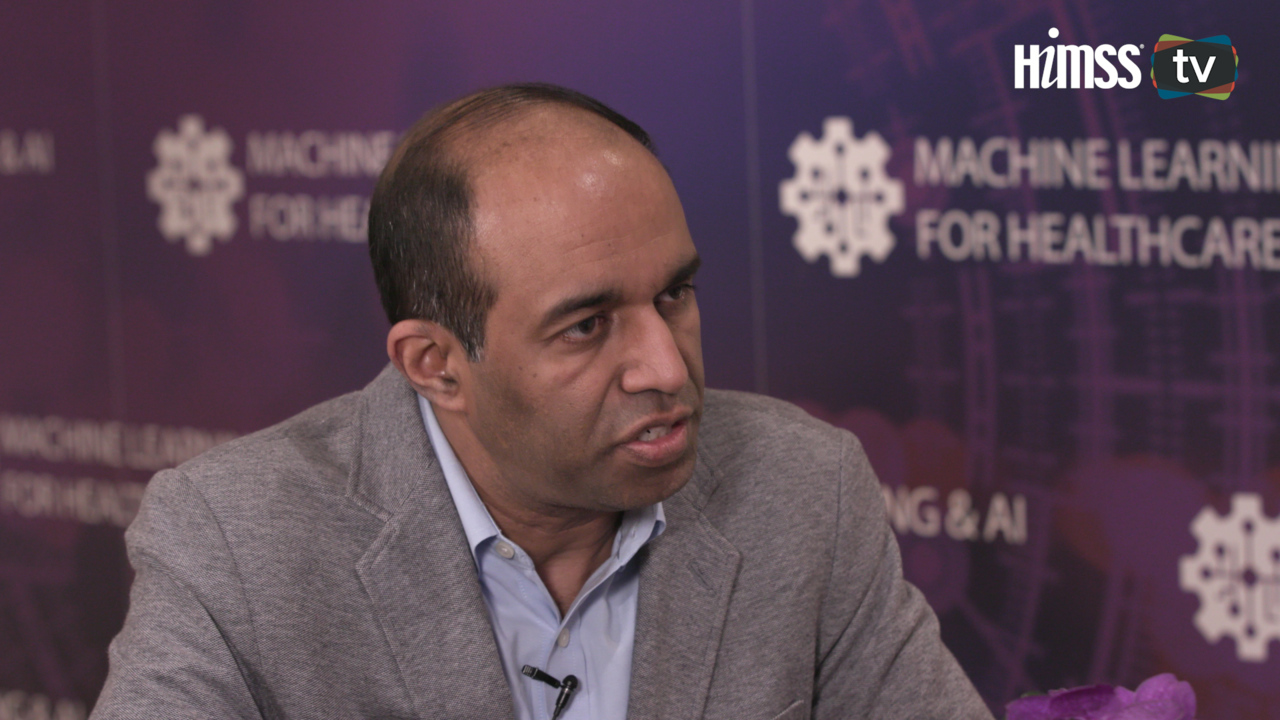
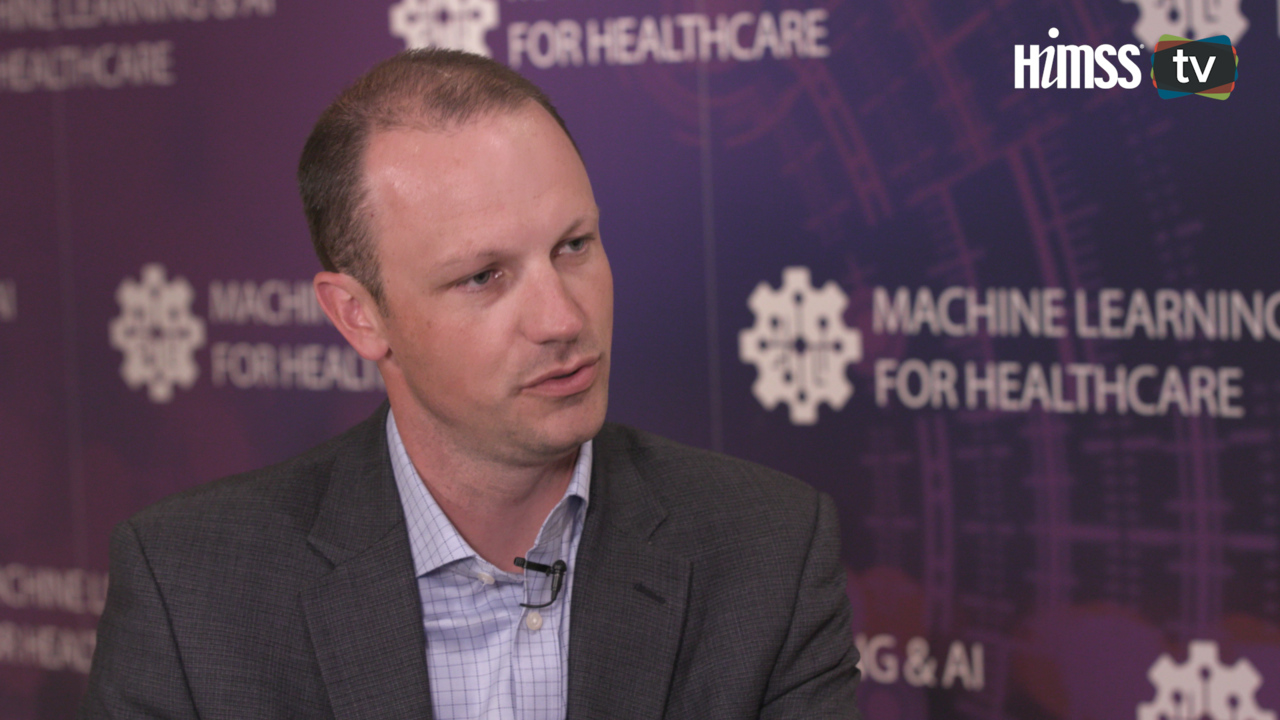
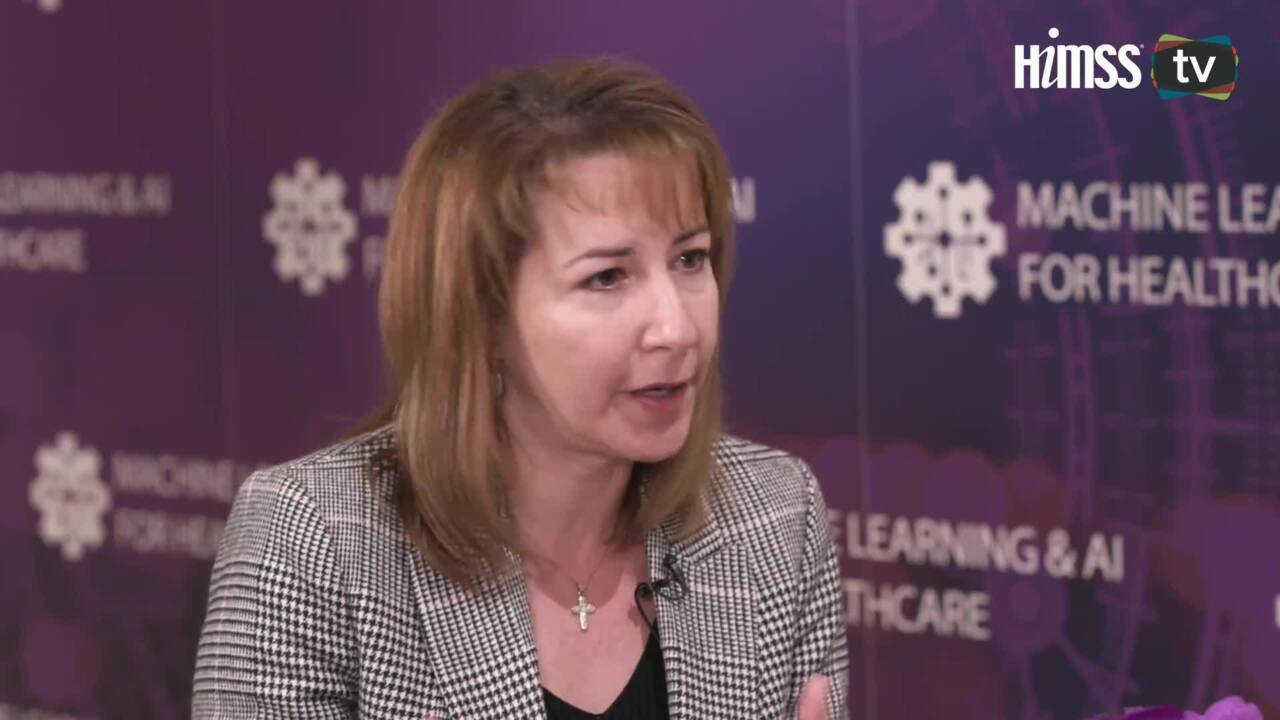
Wesley Madden, Vice President of Sales Support at NantHealth, shares his advice for CIOs and CTOs looking to standardize all of their data sets and explains why artificial intelligence is the ultimate tool for clinicians.
Sam Hanna, Associate Dean of Graduate and Professional Studies and Program Director in Healthcare Management at American University, talks about the ideal skill set needed to use data and technology to create targeted therapies.
Robin Frady, Executive Director, B&CI Information Services at Grady Health System, talks about her organization’s success with using AI and data to target at-risk patients with post-discharge EMS outreach.
Douglas Reding, Chief Medical Officer for Ascension Wisconsin and practicing oncologist, talks about Ascension's journey with its precision medicine task force, the need for AI support and the future of AI and machine learning.
John Halamka, CIO of Beth Israel Deaconess Medical Center, and Paul Cerrato, Contributing Writer, Medscape, Medpage Today, discuss how AI and big data can help make personalized medicine a reality.
Jennifer Esposito, general manager of Health and Life Sciences at Intel, explains how AI benefits workflows with its direct impact to be a seamless integration for physicians and the patient experience.
Will Morris, senior medical director at Cleveland Clinic Innovations, connects the work of the developer community to the systems integrations and the workflow changes needed to make those advances work.
Anthony Chang, MD, chief intelligence and innovation officer at CHOC, explains to Adam Culberston, HIMSS innovator in residence, how machine learning will "augment the intelligence of the clinician" and ultimately lead to better decision making.
Ben Schilens, chief revenue officer at Orbita, and Jonah Comstock, editor of MobiHealthNews, discuss the opportunity developers have to improve patient engagement by tying voice to their applications.
Zeeshan Syed, Director of the Clinical Inference and Algorithms Program at Stanford Healthcare, presents the differences between AI and machine learning and discusses current applications of each technology in healthcare.
Leonard D’Avolio, Harvard professor and CEO of Cyft, sees a near future where artificial intelligence and machine learning will enable transformative improvements in healthcare.