HIMSS TV is your Insider’s Guide to everything HIMSS. We are the world’s first online broadcasting network, focused on global innovation and how information and technology are driving change in healthcare.
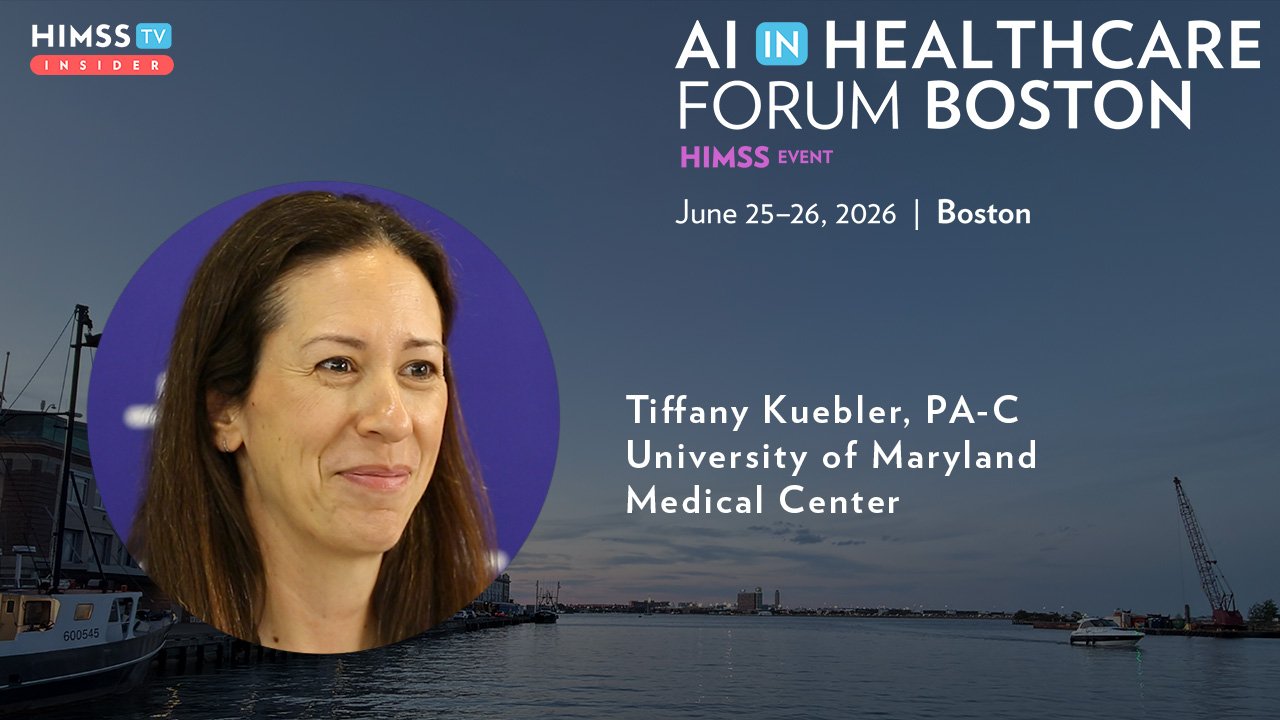
The University of Maryland Medical Center's Tiffany Kuebler urges healthcare leaders to begin AI implementation with workflows that are technologically ready for it and that will deliver the most operational value.
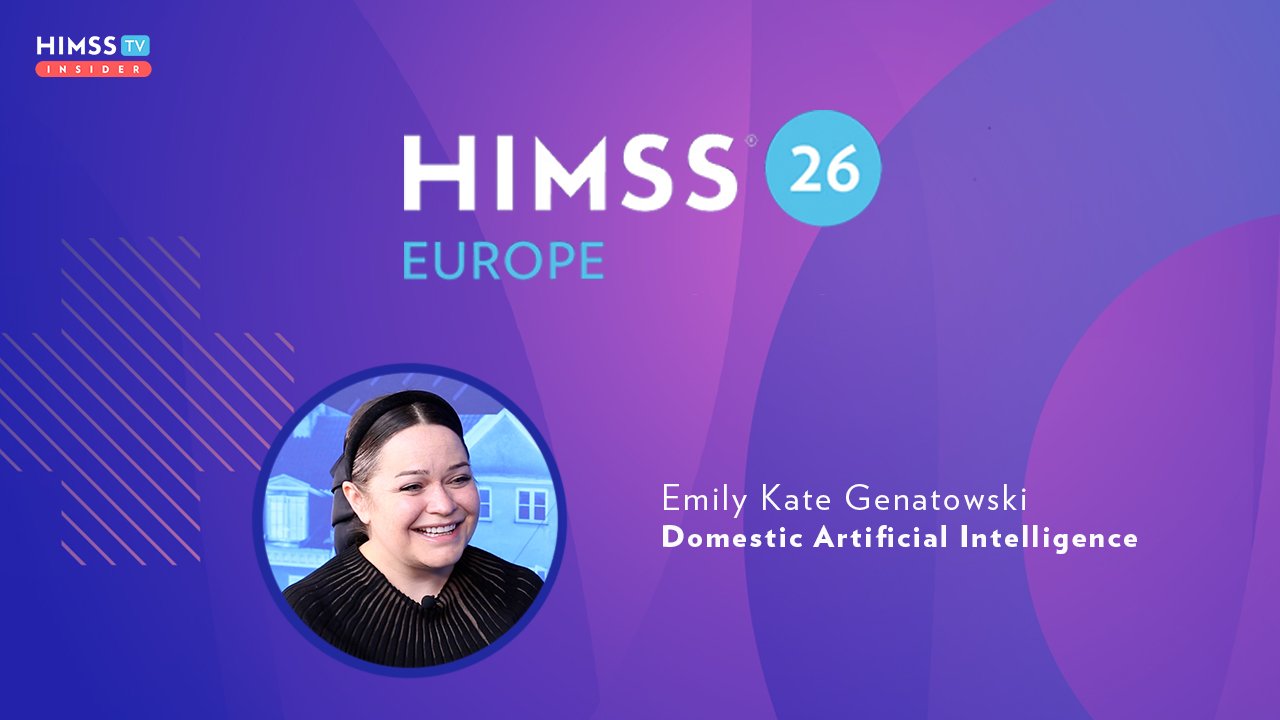
Domestic Artificial Intelligence's Emily Kate Genatowski discusses how she has been living with domestic robot Tova for more than a year to uncover insights about how robots can coexist with people in everyday life.
Mayo Clinic's Dr. Alexander Ryu says AI models trained on genomic data may be able to predict disease or recommend treatments, but researchers must first understand how these models work to ensure their trustworthiness.
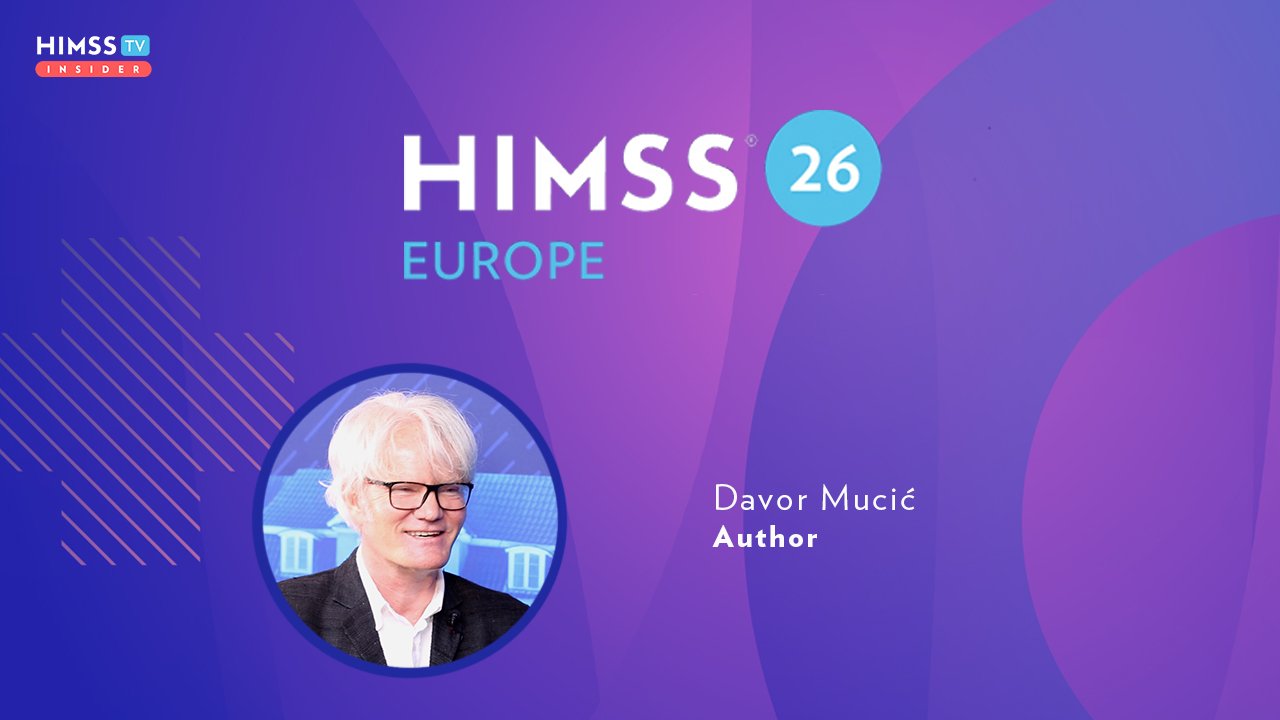
Mental health crises rarely happen during appointments, so author Davor Mucić says that approved digital tools may improve outcomes for patients who need extra help before their next visit.
Tara Steele, executive director of the Safe AI for Children Alliance, says new AI apps must be proactively built to shield children from harm, rather than changed after children have been harmed or endangered.
As AI technology becomes more widely accepted, Anne Snowdon, HIMSS' chief scientific research officer, says healthcare leaders increasingly demand proof that AI tools can solve their specific challenges in measurable ways.