Veradigm is consolidating payer apps attached to EHRs by 15% to simplify providers' days and eliminate patient care gaps by up to 80%, based on larger provider groups, says Megan Zakrewsky, VP of product for clinical data exchange.
Sixty percent of all healthcare payments are in some form of value-based care, says Dave Snow, CEO of Cedar Gate Technologies.
Real-world encounter data shows individuals enrolled in a MA plan are more likely to have a chronic condition than those who sign up for original Medicare, says Inovalon's VP of research science and advanced analytics, Christie Teigland.
Tom Lawry, managing director of Second Century Tech, says too few healthcare organizations are getting adequate ROI on their artificial intelligence investments. He offers some perspective on achieving value at scale.
Making smart picks and achieving ROI requires careful study to discern signal from noise, says Jason Smith, venture acceleration fellow at MATTER.
Customer service representatives need the ability to understand data intelligence the moment they’re talking to the patient, says Casey Williams, SVP of patient engagement at RevSpring.
William Chan, cofounder and CEO of Iodine Software, details how artificial intelligence helps providers in two key areas: denials and revenue leakage.
Nicole Rogas, RevSpring president, says the company's new AI tool provides healthcare customer service representatives with real-time financial data on patients to guide more empathetic conversations about payment options.
On May 6, the Indiana governor signed legislation requiring every not-for-profit hospital to have charges equal to, or less than the state average, says Hal Andrews, CEO of Trilliant Health.
Paul Grand, CEO of MedTech Innovator, shares how the accelerator evaluates startups for innovation and scalability and connects them with industry partners to accelerate growth and ultimately bring their offerings to market effectively.
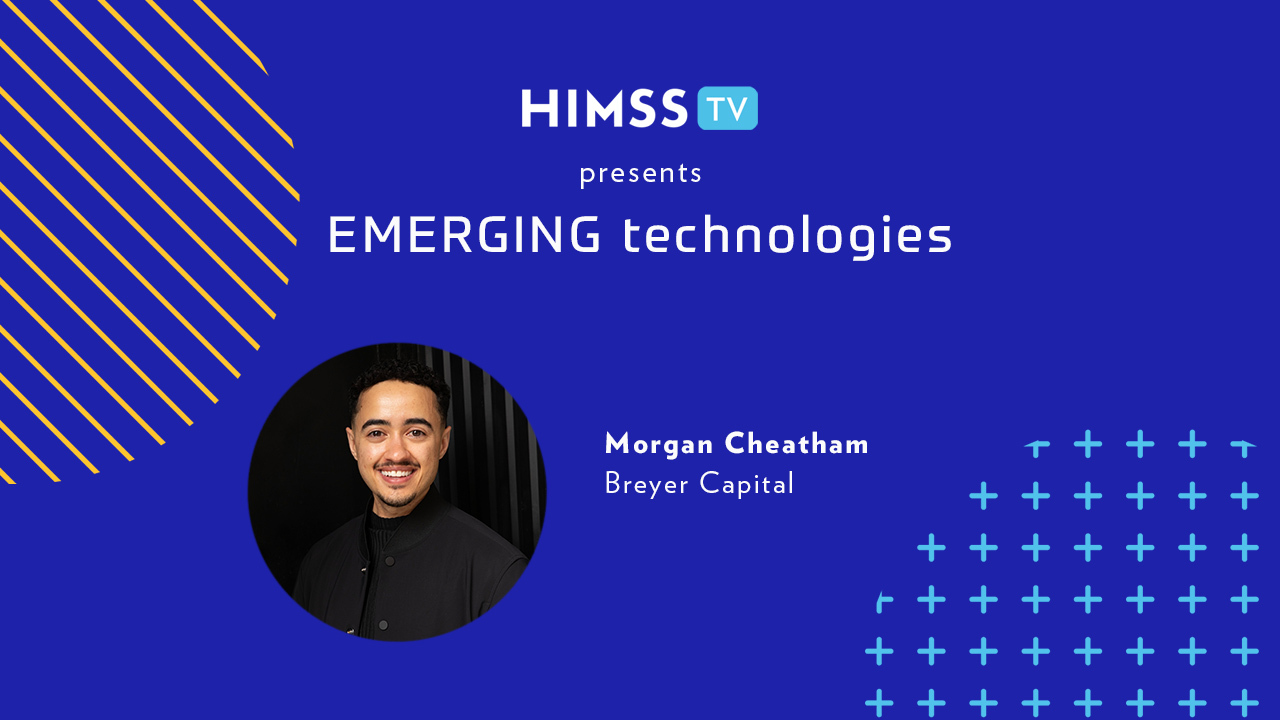
Morgan Cheatham, partner and head of healthcare and life sciences at Breyer Capital, highlights the venture capital firm's strategy for funding emerging technologies and its rigorous evaluation of a technology's potential for maturation.
Medicare Advantage insurers need to address the social determinants of health to bring down costs, says Lauren Barca, vice president of quality at 86Borders.